This is my blog purely based on my own researching and planning for my AS-Level Media coursework - preparing for our short film opening I am going to direct.
This is our film below;
This is our film below;
28/10/16 - Narrative
Our idea is based on an old, vulnerable, widowed lady who livers her normal life, with her best friend, Ruby; her dog. Our antagonist bases his kills on the famous urban legend - 'the licked hand'. An escaped convict has escaped a high security asylum; Baltimore. That night, the old lady awakes at 4am to a sharp alarm and an open front door. She shuts the door, continues back up to her room. until heavy breathing approaches her from behind, when she turns off the light. The next day, detective Langdon takes on the case of this mysterious murder. He circles an suspect who could be the possible victim, but little does he know.. The twist behind our narrative is - the reason why David Ridley escaped the asylum was actually to stop his son from following his footsteps of the urban legend.

2/11/16 - Micro and Macro

Micro is seen as the connotation, and Macro is seen as the denotation. Without one of the elements, the film is unsuccessful and useless.
Micro is everything that goes into the film, including - Mis en scene (costume, makeup, prop, location, lighting), camera angles and movements, Sound (diegetic/non-diegetic) and editing.
Macro is the output of the film/wider picture; including the - Narrative, representation, genre and audience.
This is important and relevant to us when we are researching and planning, as we need to identify what we are going to include and do for our film. Therefore this helps guide us make a successful and effective film.

15/11/16 - Audience Profiling
Eleanor Davis - Co Director, Sound, Editing

Madeleine Ross - Director

Joseph Flynn - Co Director, Mis en Scene, Cinematographer

07/11/16 - Codes and Conventions and Director Case Study
In todays lesson, our group have researched what codes and conventions are involved in a Thriller, Psychological Thriller, and a Crime Thriller.
These are all relevant to our idea, as we are planning to do a Thriller, with the sub-genres Crime and Psychological. As you can see, I have listed what is expected from the codes and conventions in a Thriller opening. We are using this towards our narrative, as our idea is about a killer on the loose, which finishes with a cliff-hanger; making the audience question who and what is going to happen next? Making the link to a Crime and Psychological Thriller.

Iconic Thriller Director Case Study
David Fincher
I have been looking at different directors of psychological and crime thriller films. The most interesting and relevant film Director that creates films which relate to our idea is David Fincher. He produces original and mysterious films, making the audience constantly on the edge of their seats wanting to see what is going to happen. Furthermore, he always uses a tripod for the camera to keep it as still as possible when portraying shots, especially wide - it is rare to see the camera being hand held in his movies (1-5 each movie). He also doesn't use close ups; only if necessary. This allows the audience to always keep engaged with the surroundings and everything going on. The link demonstrates these techniques in his films I have mentioned below.

One of his films 'Seven' is about two detectives (Morgan Freeman and Brad Pitt) who are searching for a serial killer, who is torturing victim after victim, one sin at a time. The film then ends with an unexpected cliff-hanger, with Brad Pitts wife's head in a box-the seventh and final sin the killer has made. This is relevant to our idea, as we are going to be focusing on a serial killer who has escaped prison and being searched for by the police. Later on in the film, the ordinary old woman we are going to be portraying then finds her dog dead, covered in blood with writing on the wall reading 'not only dogs can lick'. The end shot will then finish with a shallow depth of field of the killer/antagonist standing behind her, so that it hides his identity, leaving the audience feeling tense and eerie; questioning what is going to happen to the woman.
Furthermore, David Fincher also created a film called 'Gone girl' which was a Crime, Mystery, Drama Thriller. He uses different colours rather than revert dialogue, as he feels it represents the mood of the character which steers the story, and allows the audience to engage with their character. He does this by using the colour theory. For example in the beginning of the film, Nick Dunn is set with a blue toned shot - representing he is a little bit weary and upset.
Steven Spielberg

I have also been looking at director, Steven Spielberg. Steven Spielberg loves using wide lenses, and he uses them to film tracking shots, over-the-shoulder shots, close-ups, and any other shot in which he wants to make the foreground subject dominate the background. As you can see in the shot below from "Schindlers list" - directed by Spielberg; he uses a wide lens for a two shot, with a shallow depth of field. It focus' on the two men, making them dominate everyone in the background (as they are blurred - making them seem irrelevant and week).

29/10/16 - Researching different film openings
I have researched three different film openings by analysing the Characters, Setting, Narrative, Genre, Where the story is going, and why is it successful? I have chosen three completely different films from each other, as it enables us to see how and why these films have been made in particular ways for its audience.
Film 1: Seven (1995)
Characters- white American male (Brad Pitt) and black American male (Morgan Freeman)
Setting- New York city
Narrative- Two detectives both participate in the same murder case, trying to find the killer who committed the crimes, and tried to discover why they did it.
Genre- Thriller
Where is the story going?- Just from watching the opening, it is clear to see that the story shows the distress and struggle the detectives have on the journey to find the killer
Why is it successful?- This opening is successful, as it portrays mostly every shot to be very dark coloured, making it seem sinister. Furthermore the use of the screeching non diegetic soundtrack playing, gives off a sense of eeriness. Also, the use of quick cuts of shots and repition of the documents/files also helped build the tension and suspense towards the audience as it makes us want to know what it is all used for.
Characters- three white American males, gangsters
Setting- In a car, pulled over on the side of the road (dark/night time)
Narrative- An Irish-Italian American, Henry Hill (Ray Liotta) and how he lives day-to-day life as a member of the Mafia in the 60’s and 70’s in New York City. - showing the audience what life was like in the mafia.
Genre- Crime/Drama
Where is the story going?- Just from watching the trailer, it is clear to see that the film evolves around these three men who are clearly gangsters of some type. The audience could suggest from watching this that an equilibrium may occur, causing a sense of danger to happen with them.
Why is it successful?- This opening was very successful, as it displayed a short snippet of drama when the three men killed the person in the boot, managing to build up tension towards the audience as they immediately discover their true personalities. I also noticed the upbeat and dramatic soundtrack, as soon as they killed the man in the boot and the credits were introduced. This immediately attracted the audience as it makes the eager to know more of what they are going to get up to in the rest of the story.
Film 3: Gone Girl (2014) directed by David Fincher
Characters- White American female (pretty, blonde, blue eyed), white American male
Setting- In a bedroom, in their home
Narrative- Man and Woman in a relationship, having doubts of their marriage
Genre- Crime/Drama/Mystery
Where is the story going?- The opening is very mysterious and suspicious, as the voice over (her husband) is clearly having doubts as he speaks negatively and flat of her. From this, we can imply that something has happened between them which is why they are questioning their marriage, leading the wife to disappear. We can get this idea, as the title of the film also represents what happens in the film.
Why is it successful?- This opening is different from any other, as it is only one long take of his wife laying down with a voice over of her husband talking over the top, eventually ending with he wife looking up at the camera. Although this is done in a subtle and mysterious way, it still manages to build up tension as the audience want to find out what is going on in their relationship and what they are going to do.
30/10/16 - Researching psychological and physical reactions
I have been researching into the human mind, and why most people 'freeze' in terrifying situations. I have found that this reaction mainly occurs in woman and the elderly.
This is due to our 'fight or flight' response.


This is related to our film, as I didn't know whether to make Wendy's reaction huge, with her screaming and making mass movement. I prefer her to be subtle so that the audience can hear key details - such as the antagonist breathing behind her. Therefore they can also infer that Wendy has frozen in shock, as she hasn't made a slight noise.
31/10/16 - Keeping Track
In todays lesson we discussed what research and planning we need to do in our groups, in order to be ready for filming. I decided that always writing on our blogs and keeping up to date after every lesson is crucial, as we are keeping on track; otherwise we will gradually fall behind. I also decided that time management is highly important, because as a group we all need to be set different roles so tasks get complete quicker. As you can see below I have created a calendar so that we can keep up to date with what we need to do everyday, every lesson we have has allocated tasks we need to complete as a group working together. We are individually going to watch different films to get an idea of the cinematography, sounds, mis-en-scene and editing skills are used in a Thriller. Finally, we have created a WhatsApp group chat, so we can discuss and contact the people if needed e.g if they are not in school, to talk about ideas. As you can see I have inserted a screenshot of our conversation on WhatsApp, talking about who is doing which character profile.


07/11/16 - Codes and Conventions and Director Case Study
In todays lesson, our group have researched what codes and conventions are involved in a Thriller, Psychological Thriller, and a Crime Thriller.
These are all relevant to our idea, as we are planning to do a Thriller, with the sub-genres Crime and Psychological. As you can see, I have listed what is expected from the codes and conventions in a Thriller opening. We are using this towards our narrative, as our idea is about a killer on the loose, which finishes with a cliff-hanger; making the audience question who and what is going to happen next? Making the link to a Crime and Psychological Thriller.
Iconic Thriller Director Case Study
David Fincher

I have been looking at different directors of psychological and crime thriller films. The most interesting and relevant film Director that creates films which relate to our idea is David Fincher. He produces original and mysterious films, making the audience constantly on the edge of their seats wanting to see what is going to happen. Furthermore, he always uses a tripod for the camera to keep it as still as possible when portraying shots, especially wide - it is rare to see the camera being hand held in his movies (1-5 each movie). He also doesn't use close ups; only if necessary. This allows the audience to always keep engaged with the surroundings and everything going on. The link demonstrates these techniques in his films I have mentioned below.
One of his films 'Seven' is about two detectives (Morgan Freeman and Brad Pitt) who are searching for a serial killer, who is torturing victim after victim, one sin at a time. The film then ends with an unexpected cliff-hanger, with Brad Pitts wife's head in a box-the seventh and final sin the killer has made. This is relevant to our idea, as we are going to be focusing on a serial killer who has escaped prison and being searched for by the police. Later on in the film, the ordinary old woman we are going to be portraying then finds her dog dead, covered in blood with writing on the wall reading 'not only dogs can lick'. The end shot will then finish with a shallow depth of field of the killer/antagonist standing behind her, so that it hides his identity, leaving the audience feeling tense and eerie; questioning what is going to happen to the woman.
Furthermore, David Fincher also created a film called 'Gone girl' which was a Crime, Mystery, Drama Thriller. He uses different colours rather than revert dialogue, as he feels it represents the mood of the character which steers the story, and allows the audience to engage with their character. He does this by using the colour theory. For example in the beginning of the film, Nick Dunn is set with a blue toned shot - representing he is a little bit weary and upset.


Steven Spielberg
I have also been looking at director, Steven Spielberg. Steven Spielberg loves using wide lenses, and he uses them to film tracking shots, over-the-shoulder shots, close-ups, and any other shot in which he wants to make the foreground subject dominate the background. As you can see in the shot below from "Schindlers list" - directed by Spielberg; he uses a wide lens for a two shot, with a shallow depth of field. It focus' on the two men, making them dominate everyone in the background (as they are blurred - making them seem irrelevant and week).
14/11/16 - Character Profiling

I have been researching different celebrities for potential character ideas for our Thriller opening, particularly looking at old female actresses for the protagonist. Ideally, Ellen Burstyn is the ideal character we would want to use in our thriller opening, as she looks vulnerable and weak, making her an easy target for our antagonist. Reading her IMDB biography, it states that her trade mark is her smile and her soft, frail voice; this is ideal in our opening as Joseph's nan - Wendy, can be represented as a weak, cute old lady. However, I have been looking at others which are shown above.

Looking at potential detectives, Idris Elba is a good example as he is the perfect age, and has a deep baritone voice which would portray his dominance and superiority of being part of the federal communications. He would make the audience feel safe, as he is a brave, strong man who would help the situation and 'save the day' (heroic). - Luther; this is a series starring Idris Elba who is a detective who tries to solve a different crime every episode. It is evident to see he is dominant and brave as he fights most of his missions on his own. However, I have been looking at other middle aged men who have the characteristics and trademarks who would fit the ideal role of a detective above.

For the antagonist, we want someone that looks threatening and creepy. Therefore, I have been looking at Robert Knepper (from Prison Break) as he is a middle-aged man who looks like a paedophile and threatening, with his fierce looking eyes. He would be ideal as he would make the audience feel uncomfortable, just by the way he looks. However, I have been looking at other potential ideas for characters who would fit the role of our antagonist, shown ab
17/11/16 - Secondary Data

As you can see, I have annotated around the Demographic and Psychographic Tables to identify the difference so it helps us when deciding which target audience we are going to decide upon. This has helped us massively as the demographics have made us realise that


These two photographs above are the secondary data I have collected on online websites, that I have gathered together and highlighted the main/key evidence which supports the definitions of both and why they are used in film.
This has helped me massively, as I can now get a rough insight of what age group we are going to target. In the demographics table, we are going to target groups 'B' or 'C1' as they are the ideal people who would watch our film. Furthermore, on the psychographics table we would chose people in the category of Explorers - possible 'resigned' and 'strugglers'.
20/11/16 - Primary research
Me and Eleanor decided to video a VLOG, by walking around the school and asking random people questions from my questionnaire I wrote, which were based on Thriller movies. (You can see below). This helped me massively as I was able to listen to what peoples opinions were and expectations were in the film industry and especially of Thrillers, allowing me to watch back my video and think about what I am going to do in the film which will appeal to my right target audience. As you can see in the video below, I have varied the age groups by asking people of the ages 11 up to 27.

This vlog of me and Eleanor asking people of different ages, question of their own experiences and opinions of thrillers. This has helped me realise the different expectations of what people want from thrillers. As we noticed, people like to see death, a build up of suspense and the tense atmosphere it makes them feel - I noticed that these are all typical conventions in the Thriller genre. From doing this, I can now encounter audiences attractions and expectations.
I have also made a qualitative questionnaire on our specific genre- Thriller, which I have handed out to a variety of people, these are the results I have got back.


I have researched some information about how to write a Synposis online so that it helps me when writing my own - this is what I found;


I have wrote two different synopsis' for our film. As you can see they are very vague and brief, however it helps the rest of my group so we can use parts of mine when working together on our best copy when writing up our 1 Page synopsis..
This is my 'One Sentence Synopsis' (first draft)

As you can see, it is short and catchy with a little bit of rhythm - even though it is only one sentence, it gives a brief summary of the storyline, which makes it appealing to the audience.
This is my 'One Paragraph Synopsis' (second draft)

This is my one paragraph synopsis, which is left on a cliff hanger - making the audience want to know more. It is still rather short and brief, however has more description than the one sentence synopsis.
Joe also did a synopsis, which I annotated around; as shown below;

I feel that he is has gone into far too much depth and detail about the narrative, it needs to be a little more brief.
22/11/16 - Location
22/11/16 - Location

This is a picture of Wendy's (the protagonist)
bed - which is the main room we are going to
be portraying the 'cliff-hanger'

This is a picture of Wendy's wardrobe, showing
where the dog is going to be killed - and possible
outfits she is going to wear.

This is a picture of underneath the bed -
where Wendy is going to place her hand
(every night) so that her dog can lick her
hand. - crucial to our storyline.

This is a picture of Wendy's bed, as this
is her bedroom and is going to bed the
room she sleeps in. Showing her big bed,
all to her lonely, venerable self.

This is a panorama shot of Wendy's bedroom, also
showing the hallway, the wardrobe and the windows.
As you can see she has a tight, cramped room which will
make the end scene very tense for the audience - as she has
no where to run!


These two pictures above and below are shots of the
bathroom, where we are going to portray Wendy brushing
will be getting her toothbrush, and the mirror
will be where we show her reflection, looking at her-self
This is a short video of Wendy's (BETTIE'S) house, shooting from the top of the stairs, going straight to the front door, outside, and back into the living room. I did this as a long take as it enables the rest of the group and viewers engage with the house and know the surroundings. Furthermore, this is one of the scenes we are going to shoot - but in a variety of shots. This was just a rough taster to see what a long take would look like.
22/11/16 - Script
Draft 1


This is my script which I have annotated. The annotated parts show the errors and improvements I can make to make my script perfect, so it is professional and clear if someone was to read it. Overall it was only minor improvements such as spelling mistakes, adding transitions and changing words.
I have also annotated my script and wrote down what shots I want in each part of the script.
I have also annotated my script and wrote down what shots I want in each part of the script.


After I improved my script, I added the possible shots, angles and movements we could use and would appeal to the scene. As you can see I have inserted an 'establishing shot' as the first scene, as this is typically used to establish the setting to the audience, as it shows them where the story is going to be based.
Script review:
The script overall is a good start, but I think the characters need to be introduced earlier. The names cannot be drafted, they need to be finished, so that we can start writing up other work (treatment, storyboard etc.). We need to add transition when needed as they were not included in the first draft. This will seem more surreal, so that the reader can get an image in their heads - creating more suspense and help define our story.
23/11/16 - Treatment
I have done some secondary research, and found out useful information before I started writing the treatment. As you can see below, is a step by step guide on how to make a successful treatment.


This is a sheet below explaining the useful details to include in a treatment - also with an exemplar. You can see I have annotated around the information.
 This is our first draft of our treatment, however we need to re-do another one as we need to improve this one below slightly.


This really helped me when writing up my treatment, as it gave me guidance along the way.
This is a sheet below explaining the useful details to include in a treatment - also with an exemplar. You can see I have annotated around the information.


24/11/16 - Developing our idea
Last night me, Joe and Eleanor decided to develop our film idea. We are going to portray our main protagonist as a 'deaf' old lady, making her more venerable than she already is. By this, we can use the diegetic sound of silence to make it more effective by building up the suspense for the audience. We can also use diegetic and exaggerated non-diegetic sounds to make tense shots more surreal and terrifying, by using sound effects (e.g. banging on the door, frames smashing) which only the killer can hear.
I was influenced by the opening trailer to the film 'Hush' (starring Kate Siegel and John Gallagher). As you can notice, sound effects are rarely used, only in parts where it is most tense - the reason being is to frighten the audience.
We have discussed this idea further, and do not think that this idea is going to work anymore as it will be very hard to convey this by using muffled sounds and to even show how our protagonist is deaf. Also we only have 2 minutes to demonstrate this and have come to a reality that we can not do this.
25/11/16 - Semiotics
In todays lesson, we spoke about Semiotics - which is the study of signs. For example;
Index: is the key detail that is a signifier, e.g. a paw print suggests an animal. This shows a direct relation.
Icon: is a pictorial representation. E.g. the cat is a cat, or the cat represents Mr Tibbs.
Signifier and Signified: they are basically connotations and denotations, e.g. a rose symbolises love and passion. The rose is the physical thing (Signifier - denotation) and the inference of it representing love and passion is the signified - connotation.
Symbol: The symbol must be learned and agreed on; e.g. the writing cat , symbolises a literally cat.
Semiotics is important when filming as we need to portray objects to show how meaning is created and how it is communicated. We would also need semiotics when editing our film, as we would need it when thinking of our production name and logo.
- in film credits, semiotics is still required when planning the logo, symbol,, etc.
26/11/16 - Storyboards
I have decided to create a flip book showing my storyboard of different shots. I did this by taking photos, the print the pictures onto an A4 sheet, in order of the shots I want them in. I then stapled all the sheets together so that it made a booklet. I then created a vlog, of me talking through the sounds used and why we are going to use the shots I have taken.
1/12/16 - Filming Day 1
Today me and Joe started to film as we had the day off, the whether was perfect for what we wanted to shoot, and most importantly - our protagonist was available to film too! We went to Wendy's house and took a variety of different shots of the living room, objects and the kitchen. As I was director I indicated and told Joe what shots what look best and how to do them. I also helped him pan a couple of shots in the living room and kitchen as I have steady hands. We both agreed to do still and panning shots of every object, so that when we came to editing, we have a variety to chose from and we can see which looks best. I was over whelmed and so amazed at the lighting we had shining through the blinds - it made our wide shots look fantastic and speechless! I asked Joe to film venerable objects in Wendy's home to make her look weak and old - to fit the character; therefore told him to film a still close up of a book on the table side, a CD which lay on the shelf, and a white flower in its pot - portraying innocence.
We also picked up my dog; Ruby. We took a wide/master shot of Wendy taking Ruby on a walk on a field, with the sunset beautifully shining down on them. This was one of the bests shots we have taken so far, as we just managed to catch the sunset slowly going down - making the colour like a sepia tone. This colour infers the warmth and love that Wendy and the dog share together - companions. This didn't take us that long as we only did a few shots to show this.
Production Contact: Madeleine Ross
07773048105
xmaddiex9@live.co.uk
Director: Madeleine Ross
Head of Cinematography: Joe Flynn
Artistic Director: Eleanor Davies
Bettie Colton: Wendy Tompkins
Equipment Collection: Camera/Tripod/Memory Card
| |
Location: Willingale Road, Debden, Loughton IG10 2BQ
| |
Arrival at Location: 12PM - Madeleine Ross & Joe Flynn
| |
Leave to next location: 12:15PM – Madeleine Ross & Joe Flynn
| |
Scene 1
|
Location: Lushes Road, Loughton, IG10 3QD
|
Arrival: 12:30PM
|
Madeleine Ross & Joe Flynn
|
FILIMING: 12:45PM-14:00PM
|
Madeleine Ross & Joe Flynn
|
TURNOVER: 14:00PM
|
Wendy Tompkins Call time: 14:00PM
|
Lunch/Bettie Costume Prep/Tidy Location:
|
Madeleine Ross, Joe Flynn, Wendy Tompkins
|
Leave Location: 14:15PM
|
Madeleine Ross, Joe Flynn, Wendy Tompkins
|
Car will escort Joe Flynn, Wendy Tompkins to next location. Drop off Madeleine Ross to collect Ruby and meet at location via walk.
Scene 2
|
Location: Chigwell Recreation Ground
|
Arrival: 14:30
|
Madeleine Ross, Joe Flynn, Wendy Tompkins, Ruby
|
FILMING: 14:35PM-15:30PM
|
Madeleine Ross, Joe Flynn, Wendy Tompkins, Ruby
|
TURNOVER: 15:30PM
|
Joe Flynn & Wendy Tompkins to be escorted back to first location to return equipment (Debden Park High School), Madeleine Ross & Ruby to return home.
|
Leave Location: 15:45PM
|
Madeleine Ross, Joe Flynn, Wendy Tompkins, Ruby
|
Equipment Return: Camera/Tripod/Memory Card
| |
Arrival: 16:05PM - Joe Flynn & Wendy Tompkins
| |
Leave Location: 16:10PM - Joe Flynn & Wendy Tompkins
| |
WRAP TIME: 16:10PM
| |
3/12/16 - Iconography
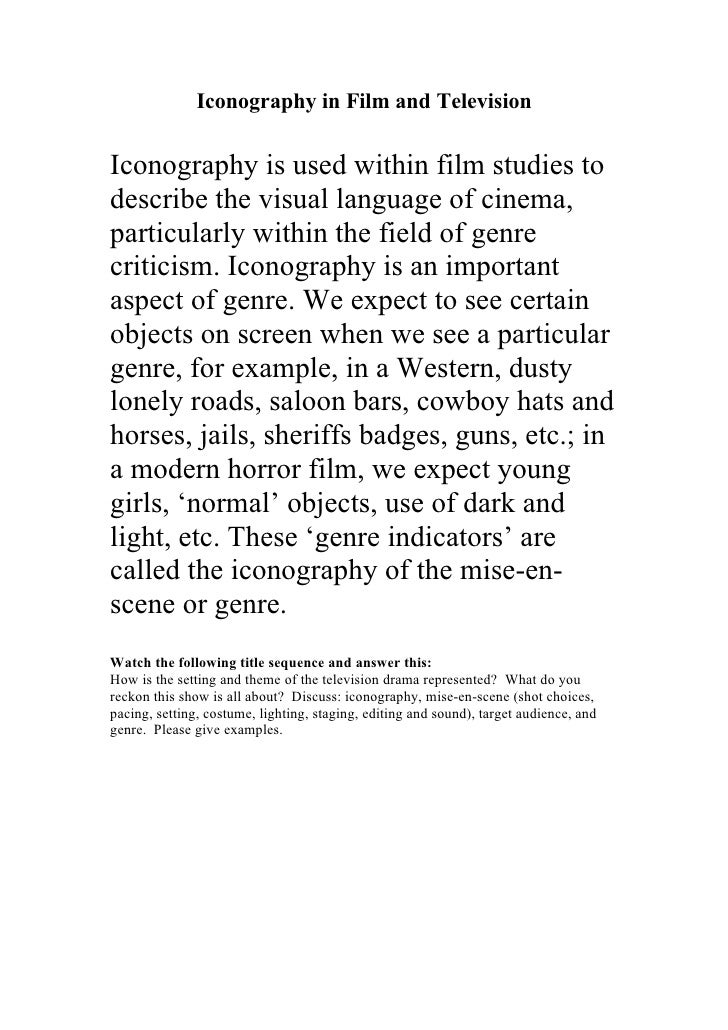
It is the IDENTIFICATION, DECRIPTION AND INTERPREATION of images.
This is important to our film, as the props/lighting/colours are each going to represent something in the narrative, which will help the audience to infer and interpret what they think it is related to.

4/12/16 - Cinematography research
Roger Deakins;
Main trademarks-
.Stay with the character and story; Not every shot needs to be a jaw-dropping exercise in masterful composition. Sometimes you need to reign it in and go back to the basics, allowing the characters and the story to drive the narrative and keep the audience engaged.
.The importance of lighting; Lighting is king for cinematographers. The way you light a scene greatly effects how the audience reacts to that scene.
Roger Deakins is a massive influence on our film as we are going to use as many wide shots as possible so that it allows the audience to engage with our characters and narrative.
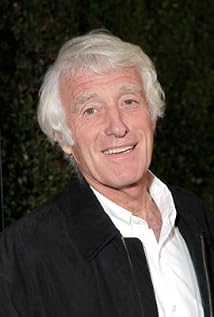
Robert Richardson;

Main trademarks-
.All the visual elements combine to create this conflict between subjective and objective reality.
.Distinct colour palettes
.Tends to use only slight pans and tilts, with more of a reliance on a locked off dolly or crane shot to follow characters around, as if the camera is passing one character off onto another.
These cinematographer's are iconic, as I want realistic shots that are eye-catching and appealing to the audience. As Joe is cinematographer I will direct and advise him into what shots are best to use for each shot.
5/12/16 - Props and Costume
I have researched what old women wear, so that we can get an idea of what I want to dress our protagonist in. As you can see below, I have inserted some pictures of some elderly women in normal, everyday clothes and nightwear clothes.

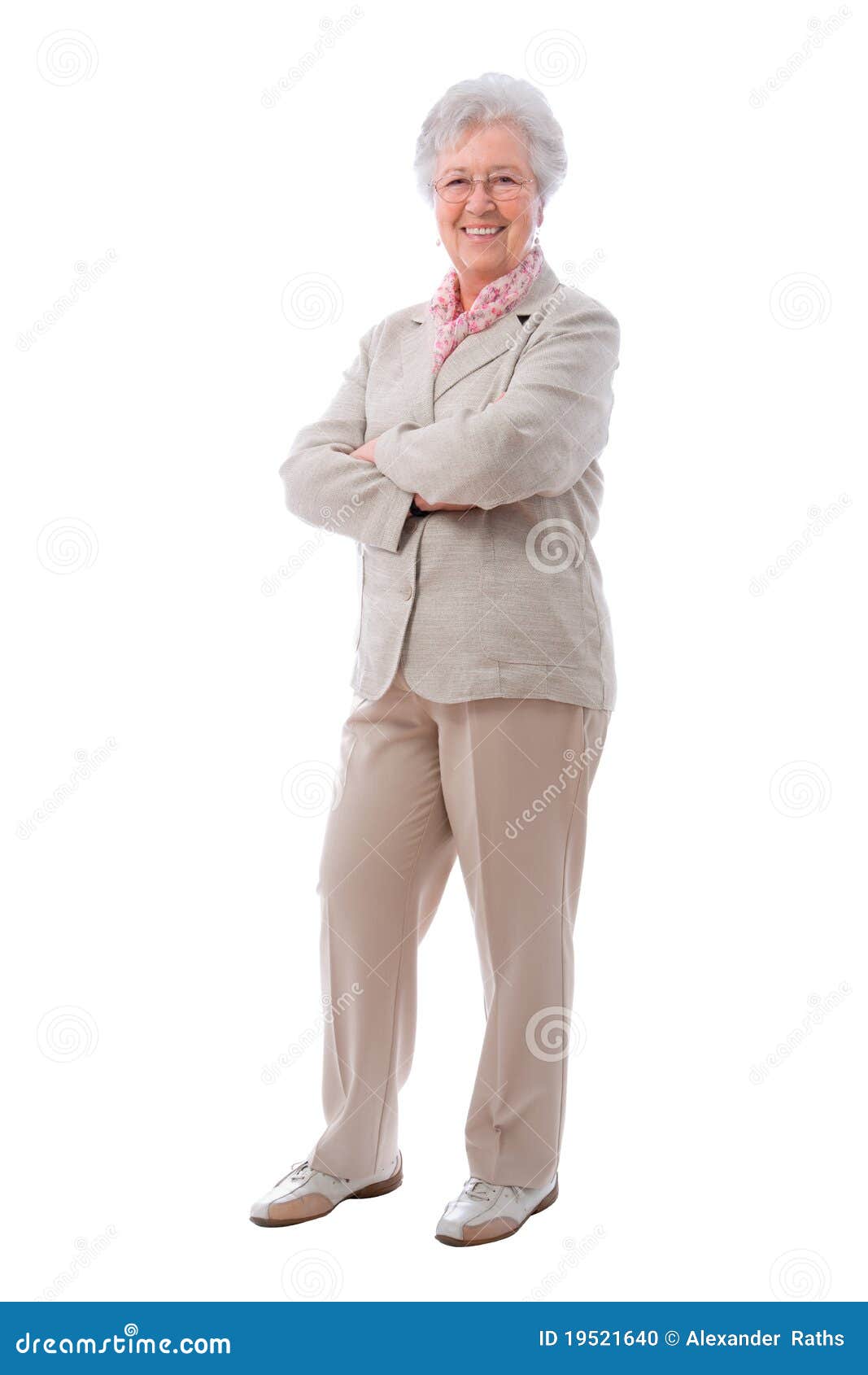
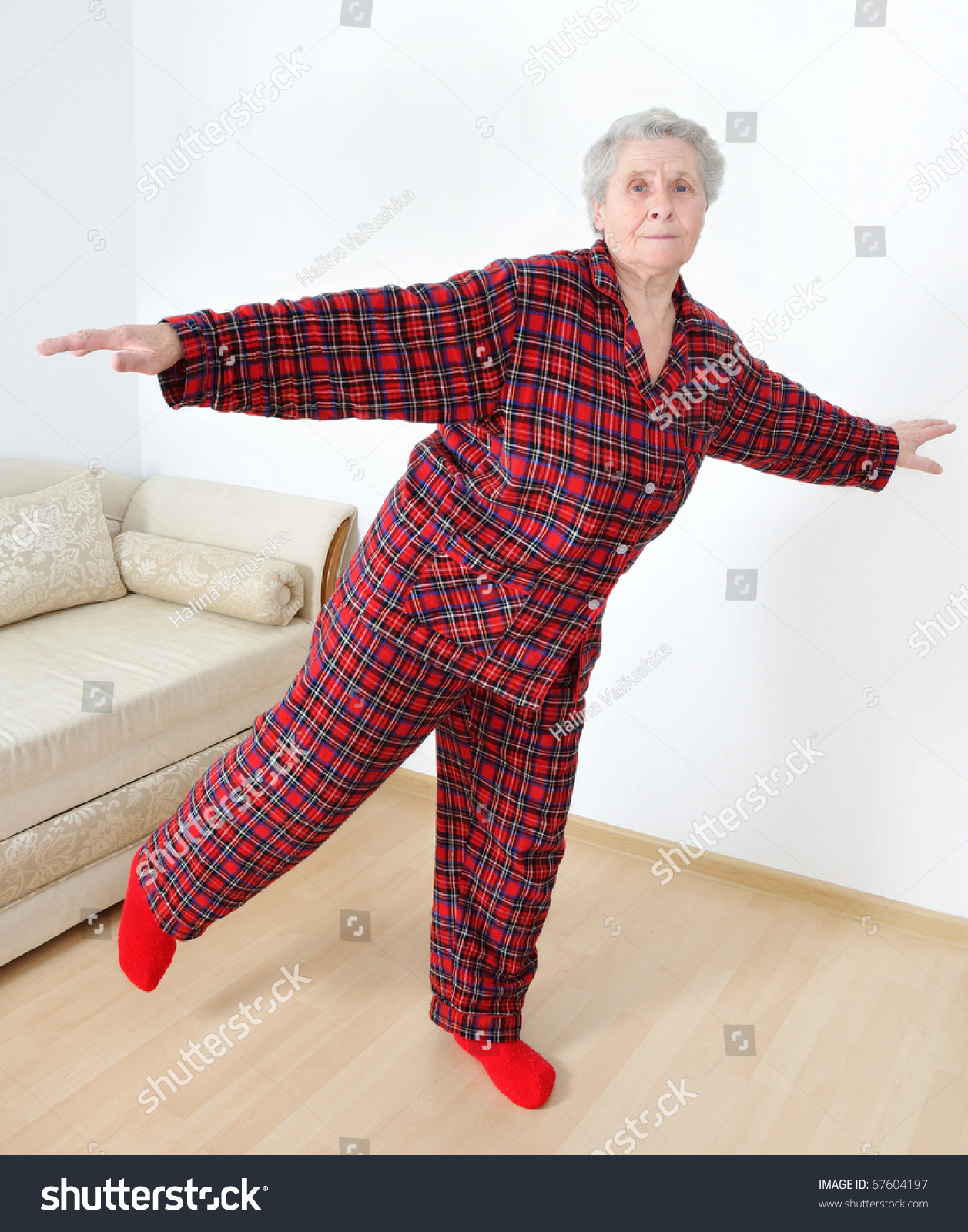
This is Wendy in her own clothes/pyjamas, which I took off of the mac from iMovie.


I have also took some pictures of my dog in her hoodie which she is going to wear on the shoot, because I feel it makes her look more vulnerable and innocent.

We are using fake blood to portray Ruby's death, making it seem more realistic and creepy.

This is a picture of Ruby's dog lead, which Wendy will be using to take Ruby on the dog walk


This clock is a major prop when filming, as we need to make sure that the timing is correct at each time. This was very difficult for us when filming, as we had to keep changing the time backwards and forth.


This bible is also important to us when filming, as the detective will be using this prop when he is trying to find out who the suspect is - as he is looking for famous urban legends.

5/12/16 - Production name and logo
In todays double lesson, in our groups we discussed what we are going to call our production company name and logo. We videoed a group discussion
 mine
mine Joe's
Joe's Eleanor's
As a group we have decided that my draft of our production name and logo looks the best as it is the most professional and looks very attractive - therefore are going to use this in our credits. However we are going to create an animated book of the pages flipping over so it is more effective and original.

This animated book below is ideally what I would like to portray at the beginning of our opening credits. Obviously we cannot use this, we will have to create our own animated book using Microsoft photo shop app.

It would be perfect for our production logo as it fits the production name 'Black Book Productions' , making it seem more professional and sinister, fitting the thriller genre.
5/12/16 - Equipment
When we start filming, it is crucial we have all the equipment we need to make the shots and movements perfect. It is very important to have everything that we need to have successful and effective shots for our film, so we are able to create the tension and suspense for our audience.
We are going to use;
- A 'Canon 700D' camera as it has high quality which is best to capture our wide shots.

- Tripod for still shots and panning

- Paperwork such as call sheets and storyboards; so that we can keep in touch with everyone, and keep an eye on which shots to take next;

- Shoulder mount rig; used for zooming in and out of shots, panning, tracking, still shot
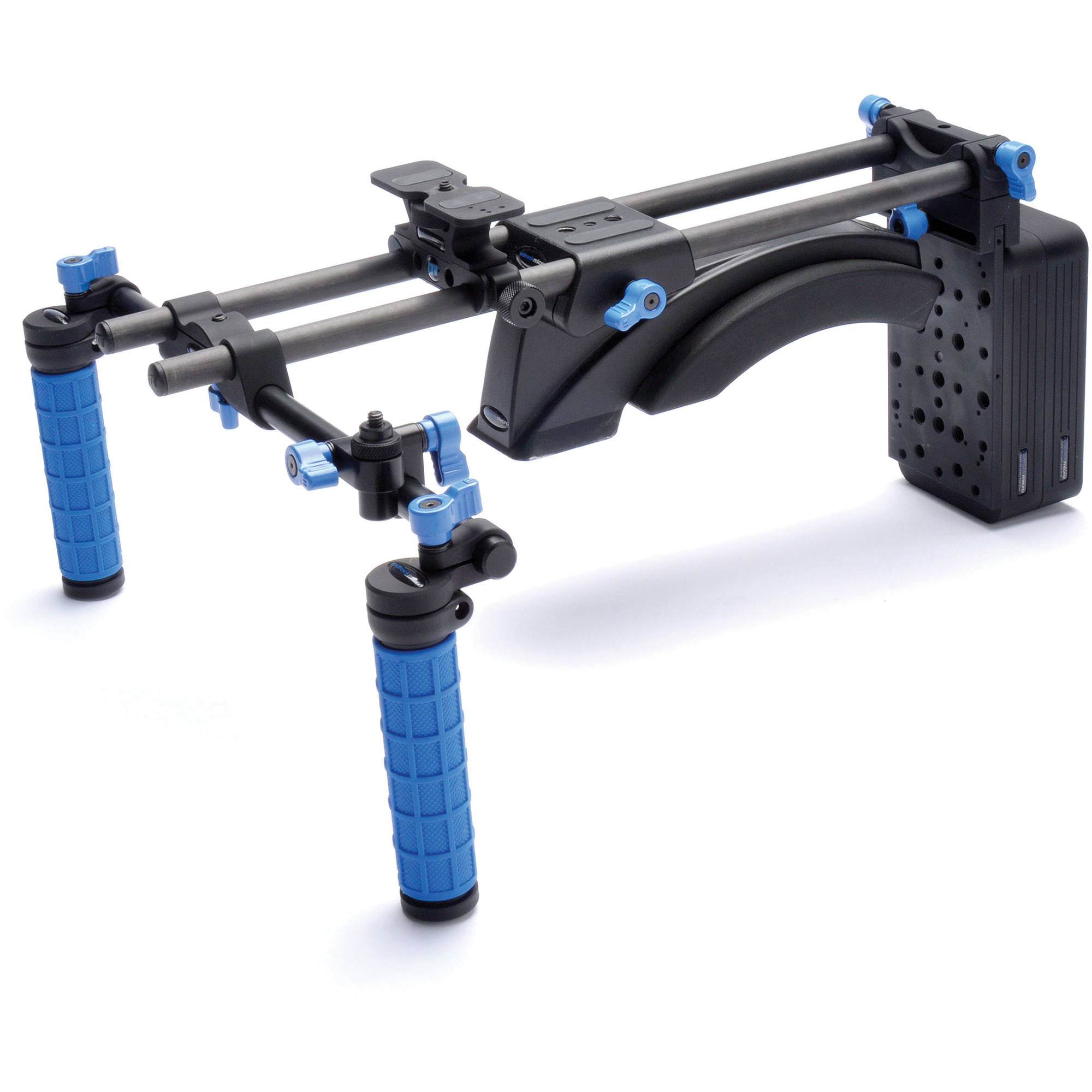
However this was unsuccessful for us, as it was not steady and made our shots look very messy.
- Wireless microphone; to hear natural sounds

- SD card; to save all of our filming

5/12/16 - Shooting schedule


6/12/16 - Filming Day 2
In todays single lesson, me, Eleanor and Joe managed to film all of our shots for the final scene with Mr. Ventura; who played as the detective. This was very successful as it didn't take us that long to film as we prepared the setting, props and equipment up at lunch before we started filming.
This is our vlog we made after we finished filming, we have shown the props we have used - which are the printed photographs of the suspected killer, the bible, and the mug which the detected uses to drink his tea out of. We have also shown the location of the detectives office, so it gives an insight of where the setting is taking place.
7/12/16 - Filming Day 3
In todays filming, Me, Eleanor and Joe managed to film the entire night scene with Wendy and Ruby. We got some really lovely takes of the house, Wendy and Ruby, using a variety of shots, angles and movements. However, I will go into further detail in my vlog below.
07/12/16 - Voice-over
In todays lesson, me, Eleanor and Joe went down to the studio room in music as we had to film Madam Gascoyne performing her voice-over from our script; acting as the news reporter. It was very quick, as Madam Gascoyne read directly off of our script - into the mic, therefore was no messing about/mistakes. All we need to do now, is transfer the voice-over to our Mac and edit it into our film. The pictures below show the location we was for this process;


2/11/16 - Micro and Macro
Micro is seen as the connotation, and Macro is seen as the denotation. Without one of the elements, the film is unsuccessful and useless.
Micro is everything that goes into the film, including - Mis en scene (costume, makeup, prop, location, lighting), camera angles and movements, Sound (diegetic/non-diegetic) and editing.
Macro is the output of the film/wider picture; including the - Narrative, representation, genre and audience.
This is important and relevant to us when we are researching and planning, as we need to identify what we are going to include and do for our film. Therefore this helps guide us make a successful and effective film.
3/11/16 - Certificate Ratings and BBFC Research

We have decided to rate our certificate a 15, because we feel that most teenagers at this age are interested in Thrillers and Horrors as they like the tension and suspense they get from watching it. Furthermore we also decided from our Demographics and Psychographics, as students/teenagers have more time to go and watch a film, and they earn enough money to see the film (£4-£7, depending where you go to see it). The link below shoes further research that this certificate is suitable for our film.
9/12/16 - Reviewing our film
After reviewing our edited film we put together, we analysed every single shot down and wrote down any mistakes we noticed; the list below shows the things we found;

Furthermore, we also wrote down possible shots to add into our film to make the continuity flow and also so it makes sense for the viewer. The reason we did this, is because we asked our teacher and a group of peers to watch our film and asked for there feedback - picture and vlog shown below.

25/11/16 - Font Analysis
I have been looking at different fonts we could use for our production name, the photo's below show what I have come up with.


18/12/16 - Sound


We are going to keep most of our sounds as naturalistic as possible so that the audience can engage with the surroundings, making it as realistic as possible. The sounds we are going to keep are the wind, birds, footsteps, breathing. SKIP TO 05:00 IN VIDEO BELOW
We may also include sound effects such as a burglar alarm, which will set off when Wendy is awoken and walks downstairs. This will set the scene, as it is alarming and sharp - making the audience jump.
Finally, we are debating whether or not to use an upbeat soundtrack which plays throughout the beginning of the opening. I feel that we should do this, as it shows Wendy's happy life she is living. Then when the music cuts off as she gets into bed, it shows that a sense of danger is about to occur.
23/12/16 - Filming day 4
We may also include sound effects such as a burglar alarm, which will set off when Wendy is awoken and walks downstairs. This will set the scene, as it is alarming and sharp - making the audience jump.
Finally, we are debating whether or not to use an upbeat soundtrack which plays throughout the beginning of the opening. I feel that we should do this, as it shows Wendy's happy life she is living. Then when the music cuts off as she gets into bed, it shows that a sense of danger is about to occur.
23/12/16 - Filming day 4
I also feel that what we have filmed, makes more sense as it follows the story better. Allowing the audience to engage with the characters. Some of the shots we recorded were really lovely, as you will see in the vlog below;




No comments:
Post a Comment